

Global
Iran, Qatar discuss Strait of Hormuz reopening amid US blockade
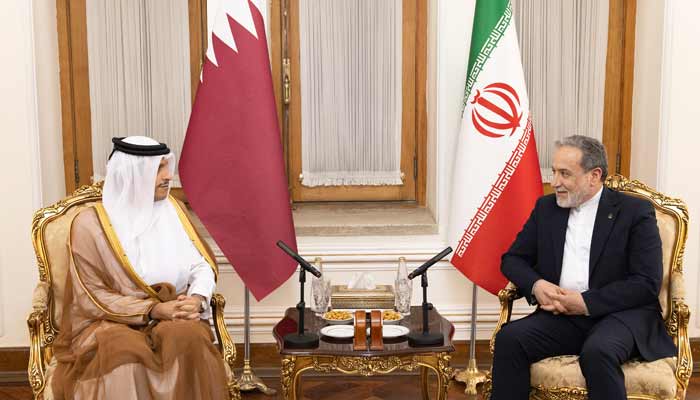
TEHRAN: Qatar’s Prime Minister and Foreign Minister Sheikh Mohammed bin Abdulrahman Al Thani met Iranian Foreign Minister Abbas Araghchi in Tehran on Thursday to discuss de-escalation efforts and the reopening of the strategic Strait of Hormuz amid an ongoing US naval blockade and mounting pressure on Iran.
The visit came after a week of intensive diplomatic activity involving Iran, Oman and Pakistan, with regional mediators seeking ways to end the conflict between Washington and Tehran and restore the movement of commercial shipping through the vital waterway.
Qatar’s foreign ministry said the two officials discussed efforts to reduce tensions and the proposed framework for the Strait of Hormuz being negotiated between Iran and Oman.
Al Thani stressed the importance of respecting the sovereignty of neighbouring states and ensuring freedom of navigation, while calling for continued dialogue.
Qatar, alongside Pakistan and Oman, has previously played a role in diplomatic efforts between Iran and the United States, including attempts to secure ceasefires and agreements that have since broken down.
The discussions come as Washington threatens additional secondary sanctions against countries, banks and companies that continue conducting business with Iran as part of its broader campaign to increase economic pressure on Tehran.
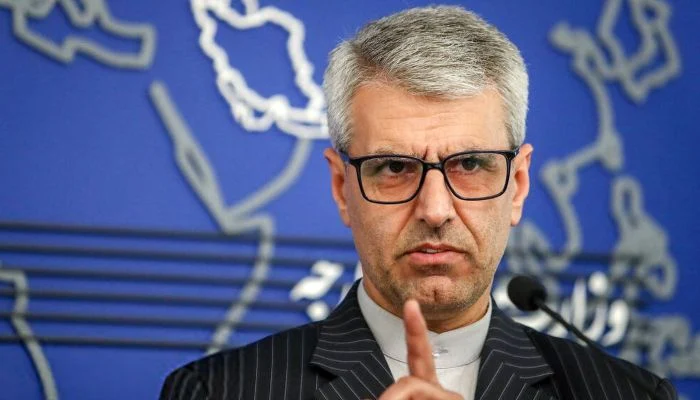
Fuel shortages have also emerged as a growing concern in Iran. Iranian Vice President Mohammad Jafar Ghaempanah said the US naval blockade had prevented the country from importing enough petrol to cover a shortfall in domestic production.
“Petrol production is insufficient, and because of the US naval blockade, we cannot import it,” he was quoted as saying by Iran’s official IRNA news agency.
Long queues have reportedly formed at petrol stations in several parts of Iran, while officials have indicated that fuel quotas could be reviewed.
Iran has heavily subsidised petrol for years, making any changes to fuel prices politically sensitive. The country’s economy was already under pressure from decades of international sanctions, high inflation and a weakening currency before the latest conflict.
Iranian officials have rejected the US sanctions as ineffective and vowed to withstand the economic pressure.
Meanwhile, Tehran and Muscat have been negotiating a framework for shipping through the Strait of Hormuz, including a proposed temporary corridor and arrangements for clearing mines that Iran says were laid during the conflict.
Iran’s Islamic Revolutionary Guard Corps said the two countries had agreed on the respective shares of the waters and revenues generated from managing the strategic waterway.
However, Tehran has maintained that the Strait of Hormuz will not be fully reopened unless Washington lifts its naval blockade, unfreezes Iranian assets abroad and removes sanctions targeting Iranian oil exports.
Iranian forces have required vessels to obtain permission before transiting the waterway and have struck ships that failed to comply. Tehran has also sought to impose service fees on vessels using the strait, a proposal opposed by Washington and several regional countries.
The latest diplomatic push follows continued disruption to shipping through the Strait of Hormuz, one of the world’s most important energy routes.
The United Kingdom Maritime Trade Operations said on Thursday that an unknown projectile struck a tanker in the Strait of Hormuz earlier this week, causing a fire that was subsequently extinguished.
With tensions remaining high, regional diplomatic efforts are focused on preventing further escalation, restoring freedom of navigation and finding a negotiated framework to end the confrontation between Iran and the United States.