


Global
Pakistan shares ceasefire plan with Iran, US to end hostilities
ISLAMABAD: Iran and the United States have received a Pakistan-formulated plan to end hostilities that could come into effect soon and reopen the Strait of Hormuz, a source familiar with the matter said on Monday.
According to the source, a framework prepared by Pakistan was exchanged overnight with both Tehran and Washington, outlining a two-tier approach that includes an immediate ceasefire followed by a comprehensive agreement.
“All elements need to be agreed today,” the source said, adding that the initial understanding would be structured as a memorandum of understanding finalised electronically through Pakistan, which is serving as the sole communication channel in the talks.
The development comes as diplomatic efforts intensify to broker a potential 45-day ceasefire that could pave the way for a permanent resolution to the conflict.
The source said Chief of Army Staff and Chief of Defence Forces Asim Munir remained in continuous contact throughout the night with US Vice President JD Vance, special envoy Steve Witkoff, and Iranian Foreign Minister Abbas Araghchi.
Read More: Three Pakistanis injured after projectile debris falls at Sharjah port
Under the proposal, a ceasefire would take immediate effect, followed by the reopening of the Strait of Hormuz, with a period of 15 to 20 days allocated to finalise a broader settlement.
The proposed agreement, tentatively named the “Islamabad Accord,” includes a regional framework governing the strait, with final in-person negotiations expected to take place in Islamabad.
However, a senior Iranian official said Tehran has received the proposal and is currently reviewing it, while stressing that Iran would not accept pressure to meet deadlines or make immediate decisions.
The official added that Iran would not reopen the Strait of Hormuz in exchange for a temporary ceasefire, maintaining that Tehran seeks a permanent agreement with guarantees against future attacks by the United States and its allies.
Sources said the final agreement is expected to include commitments from Iran regarding its nuclear programme in exchange for sanctions relief and the release of frozen assets. Despite intensified diplomatic outreach involving Pakistan and other regional mediators, Iran has yet to formally commit to the proposal.
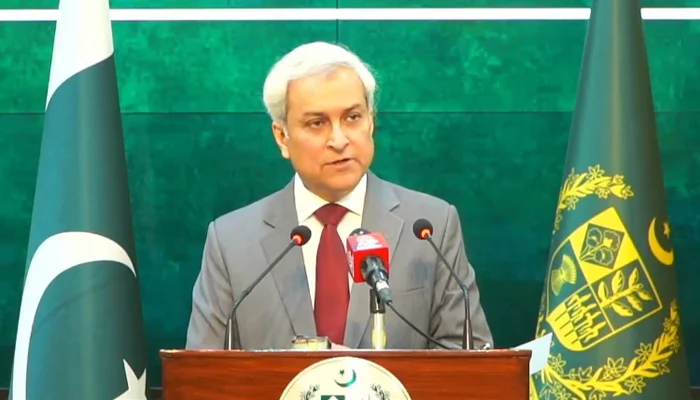
Separately, Foreign Office spokesperson Tahir Andrabi declined to confirm or deny reports suggesting Islamabad had proposed a formal framework to end the conflict, stating that multiple reports were circulating and the peace process remained ongoing.
The latest diplomatic push comes amid escalating tensions that have raised concerns over disruptions to global shipping through the Strait of Hormuz, a critical route for oil supplies.
US President Donald Trump has recently called for a swift end to the conflict, warning of consequences if a ceasefire is not reached soon, as energy markets remain volatile over fears of supply disruptions.