

Global
Trump agrees to two-week ceasefire with Iran after talks with Pakistan leadership
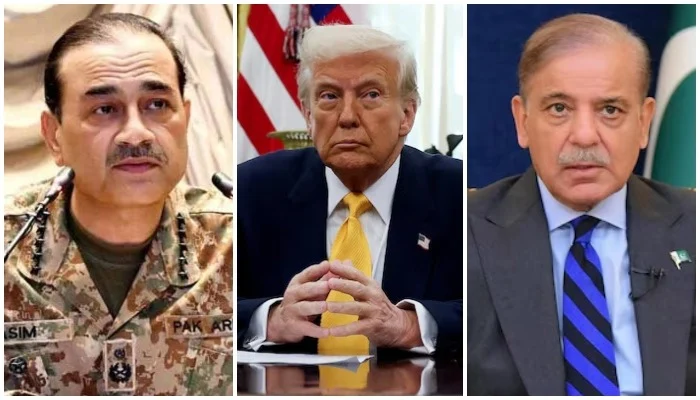
WASHINGTON: US President Donald Trump on Wednesday announced a two-week ceasefire with Iran, following discussions with Prime Minister Shehbaz Sharif and Army Chief Asim Munir, in a significant diplomatic development amid escalating Middle East tensions.
The announcement came less than two hours before a deadline set by Trump for Tehran to reopen the Strait of Hormuz. Earlier, the US president had warned of severe consequences, but later described the arrangement as a “double-sided ceasefire” contingent upon Iran ensuring the “complete, immediate, and safe opening” of the vital waterway.
Trump said Washington had received a 10-point proposal from Tehran, calling it a “workable basis” for negotiations, and added that the pause would allow both sides to finalise a comprehensive agreement aimed at ending hostilities. He termed the development a step towards long-term peace in the region.
Iranian state media, however, portrayed the move as acceptance of Tehran’s terms, calling it a “humiliating retreat” by the US. Meanwhile, US officials confirmed that Israel has also agreed to the ceasefire and would suspend its bombing campaign during the period.
Earlier, Sharif had urged Trump to extend the deadline to allow diplomacy to succeed and requested Iran to reopen the Strait of Hormuz for two weeks as a goodwill gesture. He also called on all parties to observe a ceasefire to facilitate peaceful resolution of the conflict.
Read More: Pakistan Urges Restraint and Diplomacy Amid US-Iran Tensions, Calls for Peaceful Resolution at UN
Iran’s Supreme National Security Council confirmed the temporary ceasefire and said negotiations with the US would be held in Islamabad for two weeks based on the proposed framework. It stressed that the ceasefire does not mark the end of the war and warned of a strong response to any aggression.
Separately, Iranian Foreign Minister Abbas Araghchi said safe passage through the Strait of Hormuz could be ensured during the ceasefire period through coordination with armed forces.
The development follows weeks of intense conflict, with strikes targeting critical infrastructure across the region. The closure of the Strait of Hormuz, through which nearly one-fifth of the world’s oil supply passes, has driven up global energy prices and heightened fears of an economic downturn.
The conflict, now in its sixth week, has resulted in over 5,000 deaths across multiple countries, including significant civilian casualties in Iran, according to official and independent estimates. The ceasefire is being seen as a crucial window for diplomacy to prevent further escalation and stabilise the region.