

Global
US launches naval blockade on Iran as ceasefire strains and oil prices surge
WASHINGTON: The United States military has begun enforcing a naval blockade on vessels leaving Iran, President Donald Trump said Monday, escalating tensions after failed peace talks and putting a fragile ceasefire under pressure.
The move triggered sharp reactions from Tehran, which warned it could retaliate against ports across Gulf countries if its own facilities were targeted, raising fears of a wider regional confrontation.
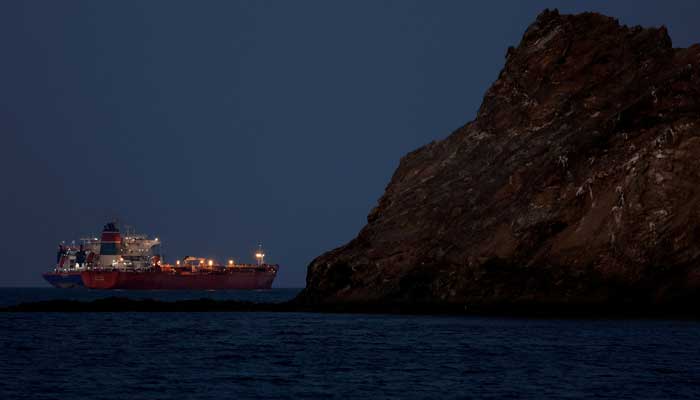
Global oil markets reacted swiftly, with crude prices climbing back above $100 per barrel amid continued disruption in the Strait of Hormuz — a key route that normally carries around one-fifth of the world’s oil supply.
Trump said Iran had reached out seeking a deal but reiterated that Washington would not accept any agreement allowing Tehran to develop nuclear weapons. “Iran will not have a nuclear weapon,” he said, accusing the country of attempting to “blackmail” the world.
Since the conflict began on February 28, Iran has effectively restricted passage through the strait, allowing only controlled access and imposing fees, a move that has severely impacted global energy flows.
The US has now moved to block Iranian vessels and any ships paying such tolls, with warnings that Iranian naval units approaching the blockade could face military action.
Read More: Pakistan pushes for fresh US-Iran talks before ceasefire deadline
Iranian officials strongly condemned the move. Brigadier General Reza Talaei-Nik warned that foreign attempts to police the waterway would deepen instability and threaten global energy security. An Iranian military spokesperson described the restrictions as “piracy,” cautioning that no port in the Gulf would remain secure if Iran’s were targeted.
Meanwhile, NATO allies including United Kingdom and France distanced themselves from the blockade, urging efforts to reopen the strait and avoid further escalation.
The ceasefire agreed last week appears increasingly fragile, with only days remaining and no progress after recent negotiations in Islamabad — the highest-level US-Iran talks since 1979 — ended without agreement.
The US Central Command said the blockade would be enforced against vessels entering or leaving Iranian ports but would not restrict neutral transit to other destinations.
At the same time, tensions remain high across the region. Israel has continued military operations against Hezbollah in Lebanon, which Washington says fall outside the ceasefire framework, a position disputed by Tehran.
Iran has also reiterated key demands, including recognition of its authority over the Strait of Hormuz, lifting of sanctions and withdrawal of US forces from the region — conditions that remain far apart from Washington’s stance.
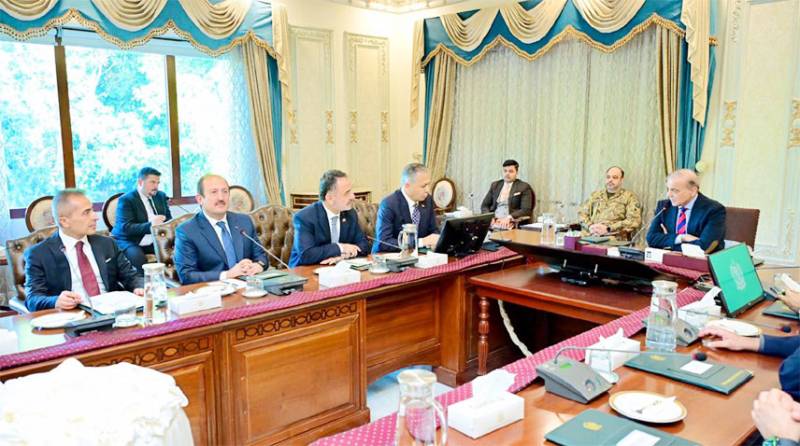
Prime Minister Shehbaz Sharif said diplomatic efforts were ongoing following the Islamabad talks, even as the latest developments point to a deepening impasse.
Despite Trump declaring success in the conflict, analysts note that core US objectives — including curbing Iran’s regional influence and nuclear ambitions — remain unresolved, leaving the situation volatile with significant implications for global energy markets and regional stability.