

Global
Lebanon announces partial ceasefire between Hezbollah and Israel amid US-led diplomacy
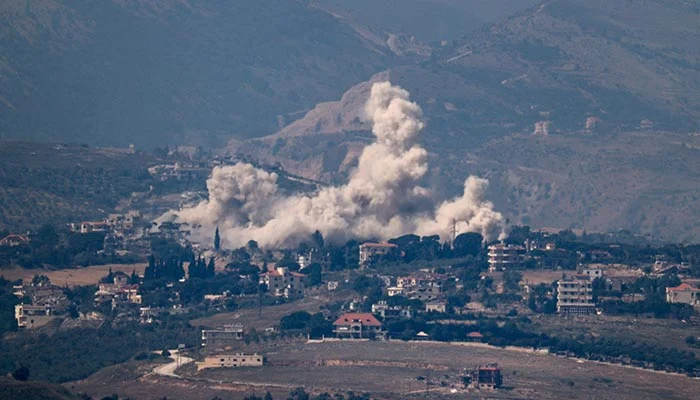
BEIRUT: Lebanon on Monday announced a partial ceasefire agreement between Hezbollah and Israel, marking a limited de-escalation in a conflict that has killed thousands and intensified regional tensions linked to the broader US-Israel war with Iran.
According to Lebanon’s embassy in Washington, the arrangement does not end the war but introduces a restricted framework aimed at reducing immediate escalation. Under the understanding, Israel would refrain from striking Beirut and its suburbs controlled by Hezbollah, while the group would halt attacks on Israeli territory.
Despite the announcement, hostilities in southern Lebanon continued late Monday. Early Tuesday, the Israeli military said it intercepted two projectiles fired from Lebanese territory toward northern Israel, with no reported injuries.
US President Donald Trump first announced the agreement, claiming that Hezbollah had pledged through intermediaries not to attack Israel. However, Washington has long designated Hezbollah as a terrorist organisation and has never held direct talks with the group.
Trump also said Israeli Prime Minister Benjamin Netanyahu had agreed to pull back forces preparing for operations in Beirut.
Read More: Gunman kills six family members in Iowa shooting spree before taking own life
Following the announcement, Netanyahu said Israel would continue military operations in southern Lebanon, where ground forces are advancing toward the Zaharani River, marking what officials described as their deepest incursion in 25 years.
Hezbollah lawmaker Hassan Fadlallah said the group would support a broader nationwide ceasefire as a step toward Israeli withdrawal but did not confirm whether cross-border attacks on Israel would fully stop.
Lebanon has said it will seek to expand the ceasefire agreement during talks scheduled in Washington, aiming to build a wider political settlement in the coming days.
The development comes amid ongoing efforts to revive stalled diplomacy linked to the wider regional war, which escalated following US and Israeli strikes on Iran and triggered wider instability across the Middle East.
Iranian Foreign Minister Abbas Araqchi said the ceasefire between Iran and the United States should apply across all fronts, including Lebanon, arguing that regional conflicts are interconnected.
However, US officials have maintained that the Lebanon and Iran tracks remain separate diplomatic issues.
Meanwhile, Iranian state media reported that Tehran was halting indirect negotiations with Washington, citing developments in Lebanon, though there was no official confirmation from Iranian authorities.
US President Trump said he had not received any direct communication from Iran and expressed scepticism about the pace of negotiations, saying the talks had become “boring” and that he was indifferent to their continuation.
Separately, Iran’s Revolutionary Guards Quds Force commander Esmaeil Qaani reportedly warned of expanding maritime pressure at key global shipping chokepoints, raising concerns over further disruptions to international trade routes.
Oil prices rose around four percent on Monday amid heightened tensions, reflecting fears of broader regional escalation and its impact on global energy supplies.