

Pakistan
Punjab records up to 40pc rise in tax collection, presents deficit-free Rs5.34tr budget
LAHORE: The Punjab government has recorded a 35 to 40 per cent increase in tax collection over the past two years, provincial ministers said on Wednesday, adding that improved revenue performance has enabled the province to present a deficit-free budget without imposing new taxes on consumers.
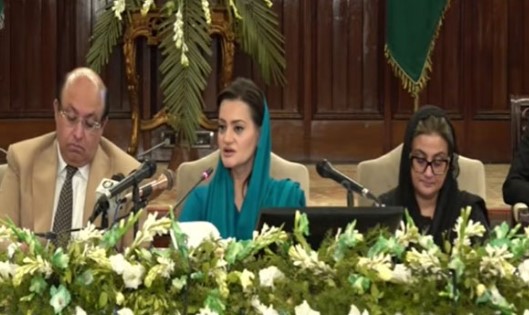
Speaking at a post-budget press conference in Lahore, Punjab Finance Minister Mujtaba Shuja-ur-Rehman said the government had set a consolidated tax revenue growth target of 47 per cent for the 2026-27 fiscal year by improving enforcement and plugging loopholes in the system instead of expanding the tax net to new sectors.
He said the provincial cabinet had approved a Rs5.34 trillion “tax-free” budget for the upcoming fiscal year, relying on federal transfers and internal administrative reforms to balance expenditures.
The finance minister said the excise and taxation department had exceeded its annual target by 12 per cent, while non-tax revenues from the mines and minerals sector were expected to generate more than Rs30 billion.
He added that tax collection targets of the Board of Revenue had been adjusted downward to provide relief to citizens and small businesses.
Punjab Senior Minister Marriyum Aurangzeb, also addressing the briefing, highlighted governance reforms and said the provincial and federal governments had improved fiscal discipline over the past 30 months after inheriting a challenging economic situation.
She said Pakistan had been on the verge of sovereign default when the current federal setup assumed office, but stabilisation measures had helped restore macroeconomic stability through compliance with International Monetary Fund-linked reforms.
Aurangzeb said Punjab had implemented major right-sizing measures, including the abolition of 870 redundant development schemes and the elimination of 100,000 vacant bureaucratic posts to reduce public expenditure.
She said despite a 3.2 per cent reduction in the overall budget size compared to the previous year, key sectors including health, education, social protection and the “Saaf Suthra Punjab” initiative remained fully funded.
Read More: Pakistan sought regional peace, not publicity, in US-Iran mediation, security officials say
According to her, the province’s Annual Development Programme has been set at Rs752 billion, with total provincial tax revenue estimated at Rs519 billion, including a Rs370 billion target for the Punjab Revenue Authority.
She also said 600 urban transit buses had been delivered out of a planned fleet of 2,000, while 160,000 interest-free microloans had been distributed under various public welfare schemes.
Responding to criticism over federal support, she said Punjab continued to play a key role in maintaining national fiscal stability through its contributions to the federation.