

Global
Air India’s Technical Incident Rate Surges to 14-Month High in January
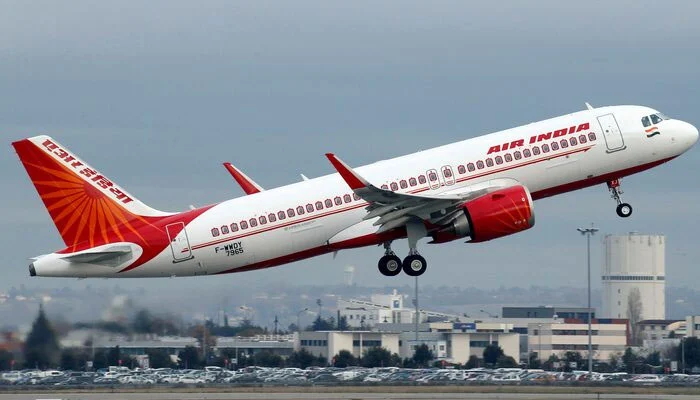
NEW DELHI: Technical incidents affecting Air India flights surged to their highest rate in at least 14 months in January, according to a company document submitted to the Indian government, highlighting mounting operational strain as the airline pushes ahead with an ambitious revamp.
India’s second-largest airline has been under increased scrutiny from the country’s aviation safety regulator since a crash last year killed 260 people. In December, the carrier acknowledged an urgent need to improve process discipline, communication and compliance culture.
In January, Air India recorded 1.09 technical incidents per 1,000 flights, up sharply from 0.26 in December 2024, the document reviewed by Reuters showed. The airline operated more than 17,500 flights during the month and logged 23 technical incidents across domestic and international routes. At least 21 of those were formally investigated.
The incidents included engine stall warnings, flight control and hydraulic system issues, as well as engine oil and fuel leaks. Five cases involved fuel or oil leaks, including one Dubai-Mumbai service that landed with low engine oil levels.
In another episode on January 12, a Delhi-Dubai flight returned shortly after takeoff due to the absence of water in the lavatory and galley, the document stated.
Operational incidents such as rejected takeoffs, restricted altitude flying and incorrect takeoff settings stood at 0.29 per 1,000 flights in January, more than double December levels. However, the document noted a broader downward trend in operational lapses in recent months.
Air India and the civil aviation ministry did not respond to Reuters’ requests for comment.
The airline, owned by Tata Group and Singapore Airlines, is attempting to restore its global reputation and modernise its ageing fleet. Supply chain disruptions have slowed cabin retrofits, while Pakistan’s airspace closure to Indian carriers has forced route adjustments and added financial pressure.
Read More: Islamabad Police bust bank robbery, TCS gang; arrest suspect in blind murder case
India’s civil aviation ministry recently told lawmakers that 82.5% of 166 Air India aircraft examined since January 2025 showed recurring technical defects, compared with 36.5% at market leader IndiGo.
Air India currently operates 191 aircraft and has placed orders for more than 500 additional planes as part of a sweeping expansion strategy. In its February submission, the airline outlined corrective measures including periodic inspections of Airbus A320 aircraft, replacement of steering-system hydraulic hoses on Boeing 777 jets, and targeted engineering interventions to reduce reliability issues.
The carrier has also drawn attention abroad. Britain’s aviation regulator recently sought an explanation after a Boeing Dreamliner departed London despite concerns over a potentially faulty fuel switch. According to a source familiar with the matter, Air India said it had reminded pilots to strictly follow procedures and replaced the aircraft’s throttle control module as a precaution.
The developments underscore the operational challenges facing the airline as it seeks to modernise while maintaining safety and reliability standards.