

Global
BNP Secures Two-Thirds Majority in Bangladesh Elections
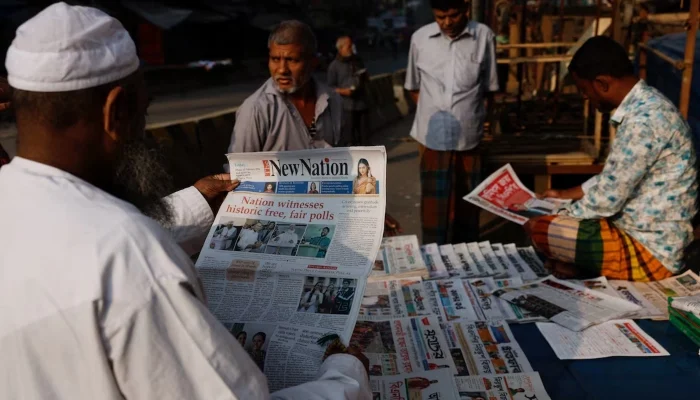
DHAKA: The Bangladesh National Party (BNP) won a decisive two-thirds majority in Friday’s general elections, a result widely seen as a turning point for stability after months of political turmoil and deadly unrest that followed the removal of former prime minister Sheikh Hasina.
Latest counts from domestic television channels showed the BNP and its allies securing at least 213 of the 299 parliamentary seats, while Jamaat-e-Islami and its partners won 76 seats in the Jatiya Sangsad, or House of the Nation.
The BNP’s return to power after 20 years comes as Bangladesh seeks calm after a Gen Z-led uprising last year disrupted everyday life and key industries such as garments, where the country ranks second globally in exports.
Soon after gaining a majority, the BNP thanked voters and urged supporters not to organise celebratory rallies, instead calling for special prayers across the country for the nation and its people.
BNP leader Tarique Rahman is widely expected to be sworn in as prime minister. The son of party founder and former president Ziaur Rahman, he returned to Dhaka in December after spending 18 years abroad.
Read More: Composer Sajid Khan Launches WASAKA to Redefine Musical Storytelling
Bangladesh has been governed by an interim administration led by Nobel Peace Prize laureate Muhammad Yunus, who assumed office after Hasina fled to India in August 2024.
Manual counting of paper ballots is expected to continue until at least midday Friday, election officials said. The BNP’s projected seat tally is among its largest ever, surpassing its 2001 victory, though past elections have often been criticised as contentious or one-sided.
Jamaat-e-Islami leader Shafiqur Rahman conceded defeat and pledged constructive opposition, saying his party would pursue “positive politics.” Meanwhile, the youth-led National Citizen Party, which played a key role in the uprising against Hasina, won only five seats.
Voter turnout was expected to exceed 60%, significantly higher than the 42% recorded in the 2024 election. A referendum on constitutional reforms was also held alongside the vote, with early media reports suggesting strong participation, though no official results have yet been confirmed.