


Global
India moves to open nuclear power sector to private firms
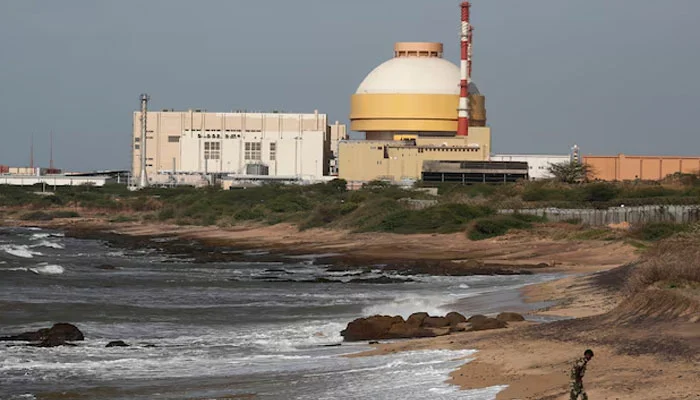
NEW DELHI: India on Monday took a major step towards ending decades of state control over nuclear power by introducing a bill in parliament that would allow private companies to build and operate nuclear plants, as the government seeks to make atomic energy a key pillar of its clean energy strategy.
Under the proposed law, foreign companies in joint ventures with Indian firms would also be eligible to apply for licences, subject to selection and approval by the central government.
India’s nuclear sector has remained tightly controlled since its first reactor became operational in 1969, shaped by Cold War-era politics and international restrictions following the country’s 1974 nuclear test. At present, all nuclear power plants are owned and operated by the state-run Nuclear Power Corporation of India Limited.
The new legislation, titled the Sustainable Harnessing of Advancement of Nuclear Energy for Transforming India Bill, 2025, represents a significant policy shift. It allows any “person expressly permitted by the central government” to apply for a licence to operate in the nuclear sector, ending the long-standing monopoly of state-owned entities.
India plans to expand its nuclear power capacity to 100 gigawatts over the next two decades, a more than twelve-fold increase from the current 8.2 gigawatts. Reuters had reported last year that New Delhi was considering inviting major domestic private firms to invest around $26 billion in the sector.
The bill removes a key provision that allowed nuclear plant operators to seek damages from equipment suppliers for defects — a clause that foreign suppliers have long opposed. Companies such as General Electric, Westinghouse and France’s EDF have previously cited liability concerns as a major hurdle to investment.
Read More: FBI foils bomb plot targeting ICE agents in California
While the proposed law doubles operator liability for large reactors to 30 billion rupees, it keeps the overall compensation cap unchanged and proposes the creation of a nuclear liability fund to cover accident claims in line with international standards.
Private companies would also be permitted to import and process uranium under the bill. However, strategic activities including uranium mining, nuclear fuel enrichment and fuel reprocessing would remain under government control, and all operators would still be required to obtain licences.
The bill must be approved by both houses of parliament before it can become law.