

Global
Somalia in talks to buy up to 24 JF-17 Block III jets from Pakistan
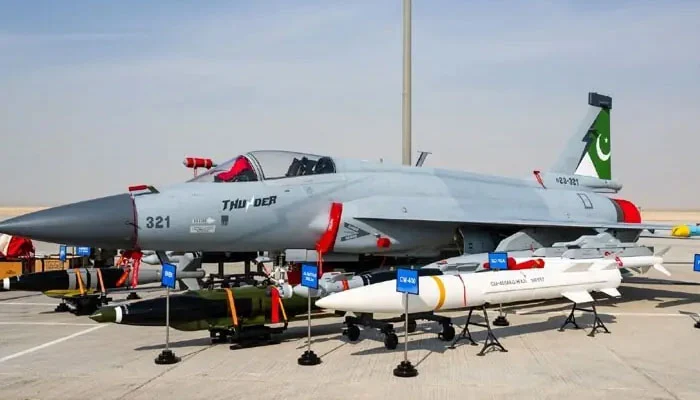
MOGADISHU: Somalia is negotiating with Pakistan to purchase up to 24 JF-17 Thunder Block III fighter jets, marking what foreign media describe as the country’s most ambitious effort since 1991 to rebuild a sovereign air combat capability and secure control over its airspace and coastline.
The discussions reportedly gained momentum after a February 2026 visit to Islamabad by Somali Air Force Commander Mohamud Sheikh Ali, reflecting efforts to revive a fixed-wing combat force that collapsed following the breakdown of Somalia’s central government decades ago.
A Somali defence ministry official was quoted as saying that protecting national airspace with domestic capability represents both a strategic necessity and a symbol of political sovereignty.
Pakistan’s Minister for Defence Production Raza Hayat Harraj said the aircraft offers a financially viable option compared to more expensive Western platforms. He noted that while some Western jets may be technologically advanced, they cost more than three times as much as the JF-17, which is estimated at $30–40 million per unit.
Islamabad-based analysts highlighted the aircraft’s broader appeal, pointing to its relatively lower cost, flexible weapons integration, training packages and fewer political conditions compared to Western defence agreements.
Read More: Teen killed, five injured in high-rise gas cylinder blast near Hyderi
Former Pakistan Air Force air commodore Adil Sultan said the platform’s operational performance has enhanced its attractiveness in global markets, particularly among countries seeking cost-effective modernisation of their air forces.
If finalised, the deal — valued at approximately $900 million — would represent Somalia’s largest defence investment since the Cold War era. Observers say it could significantly expand the country’s defence capabilities across its extensive coastline and inland territories.
Analysts also suggest that such an acquisition could alter the security dynamics of the Horn of Africa, potentially reducing Somalia’s dependence on foreign airpower while enabling greater sovereign control over its airspace.