

Global
Trump warns oil prices may stay high till Nov midterm election
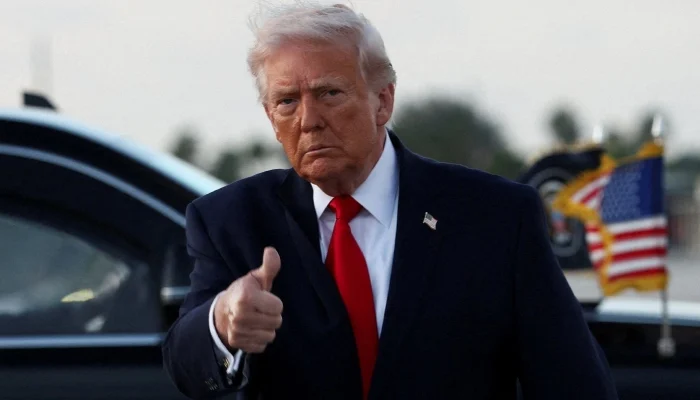
MIAMI: Donald Trump on Sunday warned that oil and gasoline prices could remain elevated through November’s midterm elections, in a rare admission of the domestic political impact of the ongoing conflict with Iran.
Speaking in an interview, Trump said fuel prices may stay at current levels or rise slightly in the coming months, reflecting continued instability in global energy markets triggered by the six-week-long war.
The remarks came as the US president also escalated pressure on Tehran, announcing that the United States Navy would enforce a blockade of the Strait of Hormuz — a critical global oil transit route — targeting vessels that pay transit fees to Iran.
“No one who pays an illegal toll will have safe passage on the high seas,” Trump said in a social media post, signalling a hardening of Washington’s stance after recent talks failed to produce a breakthrough.
The blockade threat follows marathon negotiations in Islamabad between US and Iranian delegations, which ended without agreement despite Pakistan’s mediation efforts and a temporary two-week ceasefire.
Global oil prices have already surged sharply, rising around 50 per cent amid disruptions linked to tensions in the Gulf region. The Strait of Hormuz alone accounts for nearly a fifth of the world’s oil supply, making any disruption a major risk to the global economy.
The economic fallout is increasingly becoming a political challenge for Trump at home. With fuel prices exceeding $4 per gallon in the United States, public frustration has grown, contributing to declining approval ratings for the president.
Read More: US-Iran talks in Islamabad end without deal after 21-hour marathon session
US lawmakers have also voiced concern over the strategy. Mark Warner questioned the effectiveness of a blockade, arguing that it may not force Iran to reopen shipping lanes and could instead escalate the situation further.
Meanwhile, Republican senator Ron Johnson cautioned that achieving US objectives in Iran could take considerable time, describing the conflict as a “long-term project.”
The war, which began on February 28 following US and Israeli strikes on Iran, has expanded across the region, drawing in multiple actors and causing thousands of casualties, particularly in Iran and Lebanon.
Despite earlier optimism from Washington about a swift resolution, the latest developments suggest a prolonged standoff, with energy markets and political stability hanging in the balance.