

Pakistan
150,000 Afghans have returned from Pakistan, Iran this year: UN
The United Nations refugee agency has warned that the rapid return of Afghans from Pakistan and Iran is pushing Afghanistan deeper into an already severe humanitarian crisis.
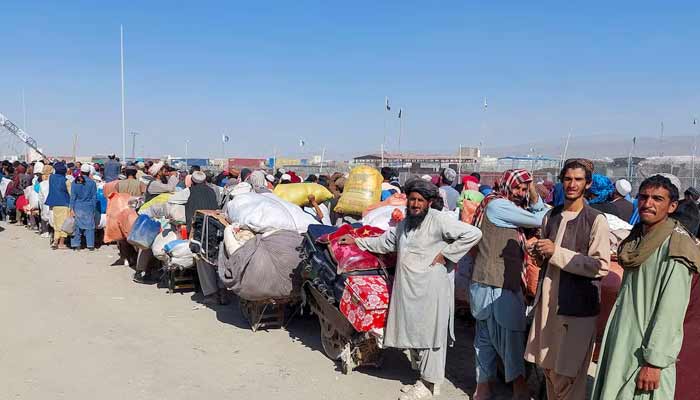
Speaking at a press briefing in Geneva on Friday, UNHCR’s representative in Afghanistan, Arafat Jamal, said nearly 150,000 Afghans have returned from the two neighbouring countries so far this year.
He described the situation as particularly alarming given the harsh winter conditions, with freezing temperatures and heavy snowfall making survival even more difficult for families arriving at the border.
“These arrivals come on top of already unprecedented returns — 2.9 million people in 2025, bringing the total to some 5.4 million since October 2023,” Jamal said from Kabul.
After decades of hosting Afghans fleeing conflict and instability, Pakistan and Iran have recently increased deportations, forcing millions back into a country struggling with poverty, fragile institutions and recurring disasters.
Read More: Composer Sajid Khan Launches WASAKA to Redefine Musical Storytelling
Jamal said returnees are coming back under extremely difficult circumstances, often without proper civil documentation. A UNHCR survey found that more than 90% of returning families were living on less than $5 a day.
He warned that the speed and scale of the migration has intensified Afghanistan’s humanitarian and human rights challenges, especially for women and girls, while the economy remains weak and natural disasters continue to worsen living conditions.
UNHCR spokesperson Babar Baloch noted that the number of returns has risen by more than 50% compared to the same period last year.
Jamal also expressed concern over the long-term sustainability of these returns, saying some Afghans are already leaving the country again because they cannot rebuild a dignified life.
UNHCR is focusing on reintegration support but said it urgently needs $216 million this year to assist displaced people and returnees. So far, the appeal is only 8% funded.
“This is a critical moment to act while there is an opportunity to find long-term solutions,” Jamal said, stressing that many returnees are coming home after decades in exile.