

Pakistan
KP CM Calls for Provincial Role in Counter-Terrorism Policy
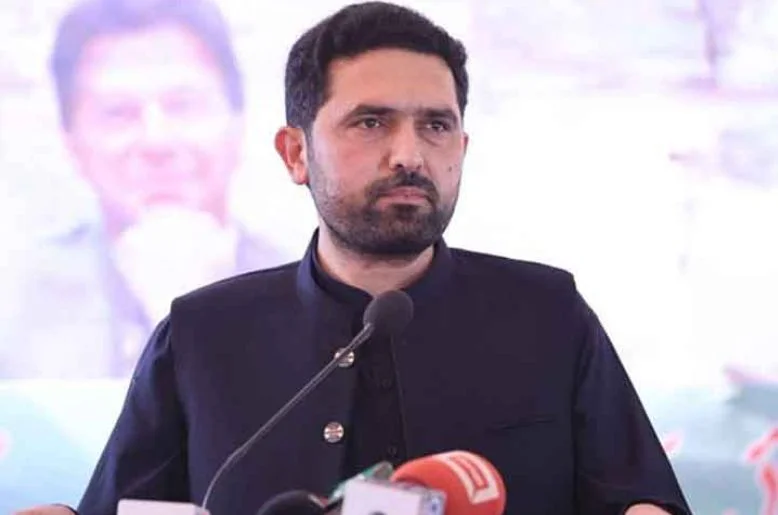
PESHAWAR: Khyber Pakhtunkhwa Chief Minister Sohail Afridi on Wednesday called for the inclusion of the provincial government in the formulation of counter-terrorism policies, stressing that lasting peace could not be achieved through unilateral decisions.
Addressing a convocation at Shaheed Benazir Bhutto Women University in Peshawar, the chief minister said that terrorism could only be eliminated if policies were framed in consultation with the KP government. “If you really want to eliminate terrorism, then come and formulate the policy with us,” he said.
His remarks came a day after Inter-Services Public Relations Director-General Lieutenant General Ahmed Sharif Chaudhry strongly criticised the Pakistan Tehreek-e-Insaf leadership in KP, holding it responsible for the surge in terrorist incidents in the province.
During his address, Afridi emphasised that anti-terrorism operations should be carried out after taking the nation into confidence. He said peace had been restored in the past after immense sacrifices, but “closed-door decisions” had once again made life difficult for the people of the province.
The PTI-backed chief minister said KP had repeatedly rendered sacrifices for Pakistan and would continue to do so. He also expressed dissatisfaction over the compensation announced by the federal government for people whose houses were destroyed during the war on terror.
Calling for a shift in the existing counter-terrorism approach, Afridi said a new policy should be formulated in consultation with the KP government, tribal elders and other stakeholders to ensure public ownership and effectiveness.
According to an annual report by the Centre for Research and Security Studies, KP witnessed the most significant rise in terrorism-related fatalities, increasing from 1,620 in 2024 to 2,331 in 2025, a year-on-year increase of more than 40%.
A day earlier, Lt Gen Chaudhry had said that nearly 71% of terrorist incidents reported in 2025 occurred in KP, attributing the trend to what he described as a “politically conducive environment” and a flourishing political-criminal-terror nexus in the province.
The military spokesperson had also criticised the KP chief minister’s stance on talks with militants and rejected calls for Afghan security guarantees, arguing that counter-terrorism required firm state action rather than political ambiguity. He further linked governance issues, including illegal mining and the proliferation of illegal weapons, to the persistence of terrorism in the province.