

Global
Iran proposes Hormuz reopening plan via Pakistan to end conflict
ISLAMABAD: Iran has put forward a new proposal through Pakistani mediators aimed at reopening the Strait of Hormuz and ending the ongoing conflict, while postponing nuclear negotiations to a later stage, US media reported.
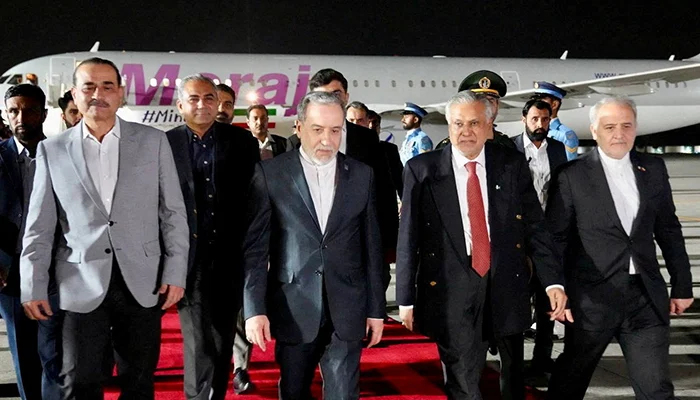
According to Axios, citing American and regional sources, the proposal was conveyed during recent diplomatic engagements led by Abbas Araghchi, who has been shuttling between Pakistan, Oman and other countries as part of mediation efforts.
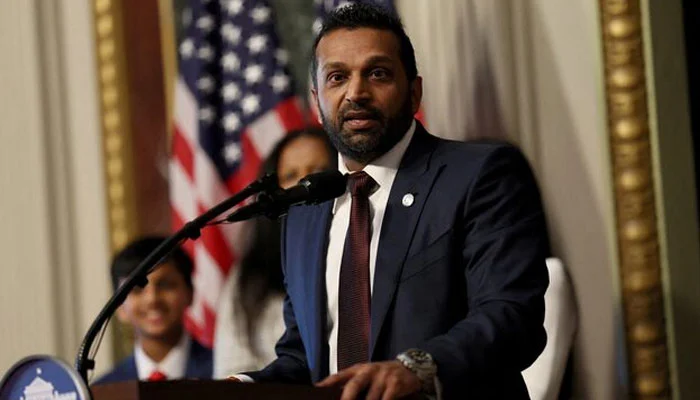
The development comes amid uncertainty in peace efforts after Donald Trump called off a planned visit by envoys Steve Witkoff and Jared Kushner to Islamabad.
Under the reported proposal, the immediate priority would be reopening the strategically vital Strait of Hormuz and lifting the naval blockade, with broader negotiations — including Iran’s nuclear programme — to follow at a later stage.
Sources said the plan also envisages extending the current ceasefire or converting it into a permanent end to hostilities before moving to more complex issues.
Trump, however, reiterated that any agreement must ensure Iran does not acquire nuclear weapons, stating that negotiations could proceed through direct communication if Tehran is willing.
Read More: Trump praises Pakistan leadership for mediating US-Iran talks
The White House acknowledged receiving the proposal but did not confirm whether it would be pursued, emphasising that any deal must prioritise US interests.
The conflict, which began after US-Israeli strikes on Iran in February, has led to widespread regional instability, disrupted global energy markets and raised concerns over economic growth.
Despite a temporary ceasefire, key disagreements persist between Washington and Tehran over nuclear activities, sanctions, regional influence and control of maritime routes.
Iran has maintained that its nuclear programme is for peaceful purposes, while Western powers remain sceptical. At the same time, Tehran has used its position over the Strait of Hormuz — a critical global oil transit route — as leverage in negotiations.
Diplomatic efforts led by Pakistan and other regional players continue as both sides weigh options for de-escalation, though significant gaps remain before a comprehensive agreement can be reached.