

Global
Iran Reviewing US Response to Peace Proposal as Trump Signals Likely Rejection
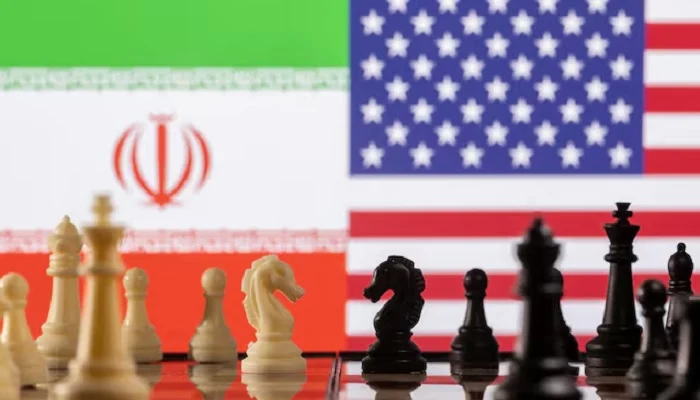
WASHINGTON: Iran said on Sunday it has received a response from the United States to its latest peace proposal, delivered through Pakistan, as diplomatic efforts to end the conflict remain uncertain.
Iranian state media reported that Washington’s reply to Tehran’s 14-point proposal is currently under review, though there has been no immediate confirmation from either Islamabad or Washington.
Foreign Ministry spokesperson Esmaeil Baghaei said, “At this stage, we do not have nuclear negotiations,” indicating Tehran’s position to delay discussions on its nuclear programme until after a ceasefire and resolution of maritime tensions.
The development comes a day after Donald Trump cast doubt on the proposal, saying he would “probably” reject it as Iran had “not paid a big enough price.”
Strait of Hormuz tensions remain central
The proposed framework reportedly prioritises ending the war and resolving the standoff over the Strait of Hormuz before addressing more complex issues such as nuclear restrictions.
The vital shipping route has been at the centre of the crisis, with Iran restricting maritime traffic for over two months, disrupting nearly 20% of global oil and gas supplies and driving up energy prices. In response, the United States imposed a counter-blockade on Iranian ports.
Despite a ceasefire announced weeks ago, only one round of talks has taken place, with no agreement reached on subsequent negotiations.
Key sticking point: nuclear programme
Tehran’s proposal to postpone nuclear talks appears to clash with Washington’s long-standing demand that Iran accept strict limits on its nuclear programme before any broader deal is finalised.
The United States has called on Iran to relinquish its stockpile of highly enriched uranium, while Tehran maintains its programme is peaceful and insists sanctions must be lifted in return for any concessions.
A senior Iranian official, speaking anonymously, described the proposal as a “significant shift” aimed at creating a more conducive environment for agreement by deferring the most contentious issues to a later stage.
Regional tensions complicate diplomacy
The situation is further complicated by ongoing hostilities involving Hezbollah in Lebanon, where Israel has ordered evacuations in southern areas amid continued clashes despite a separate truce.
Iran has linked progress in talks with Washington to stability on all fronts, including Lebanon, warning that negotiations cannot move forward without a broader ceasefire.
Read More: Two US Troops Missing During African Lion Drills in Morocco
Domestic pressure on Trump
Back in the United States, Trump faces mounting political pressure to resolve the crisis, particularly as rising oil prices impact consumers ahead of upcoming elections.
While the US president has left open the possibility of renewed military action, he has also indicated that he is still reviewing the details of Iran’s proposal.
With both sides holding firm on key demands, the diplomatic path forward remains uncertain, and prospects for a comprehensive agreement appear limited in the near term.