

Global
Iran Prioritizes Lebanon Security and Frozen Assets in US Talks
TEHRAN: Iran has identified security developments in Lebanon, alleged Israeli ceasefire violations, and the release of frozen Iranian assets as the key issues for discussion during ongoing technical-level negotiations with the United States in Switzerland.
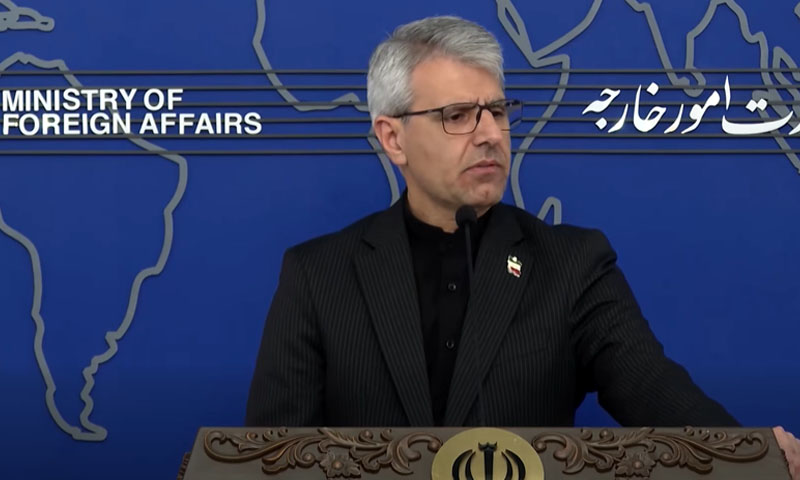
Speaking at a news conference on Sunday, Iranian Foreign Ministry spokesperson Esmaeil Baghaei said Tehran remains deeply concerned about the fragile situation along the Israel-Hezbollah front and intends to place the issue at the center of talks taking place in Bürgenstock.
According to Baghaei, Iran believes Israel has repeatedly violated its commitments in Lebanon, making regional stability and de-escalation a top priority for the Iranian delegation. He stressed that developments in Lebanon would feature prominently in discussions with US officials.
In addition to regional security concerns, Iran is seeking the restoration of access to financial assets currently held abroad and the removal of restrictions affecting its oil exports. Iranian officials argue that regaining access to overseas funds and normalizing oil sales are essential steps toward strengthening the country’s economy.
Separately, Iranian President Masoud Pezeshkian strongly defended the preliminary peace framework reportedly brokered by Islamabad earlier in the week, describing it as an agreement that largely serves Iran’s national interests.
Read More: US and Iran Begin Four-Day ‘Lake Lucerne Summit’ in Switzerland Under Pakistan’s Mediation
Speaking in remarks carried by Tasnim News Agency, Pezeshkian said the results of the negotiations would soon demonstrate that Iran had successfully protected its strategic and economic interests during the talks.
The Iranian president stated that the framework includes the release of approximately $6 billion in Iranian funds currently frozen in Qatar. He characterized the development as a significant diplomatic achievement and said it reflected changing geopolitical realities.
Pezeshkian also noted that the current diplomatic process is unfolding under the administration of US President Donald Trump, despite Trump’s previous support for a “maximum pressure” sanctions policy against Iran.
The Iranian leader further suggested that Israeli Prime Minister Benjamin Netanyahu would be among the strongest opponents of any successful diplomatic breakthrough between Washington and Tehran, citing Israel’s longstanding concerns over rapprochement between the two countries.
On the nuclear issue, which remains Washington’s principal security concern, Pezeshkian reiterated that Iran has no intention of developing nuclear weapons. He said the country’s position is consistent with a religious decree issued by the late Ali Khamenei prohibiting the production, possession, or use of weapons of mass destruction.
According to Pezeshkian, US negotiators requested that Iran formally document its position regarding nuclear weapons, after which both sides signed an implementation framework that is now being finalized by technical teams in Bürgenstock.
The negotiations are viewed as a critical stage in efforts to ease tensions between Washington and Tehran, with technical experts from both countries working to translate political understandings into concrete implementation mechanisms.