

Global
Calm returns to Strait of Hormuz as US awaits Iran response on conflict proposal
WASHINGTON: A fragile sense of calm settled over the Strait of Hormuz on Saturday after several days of clashes and rising tensions, but the United States and Iran still appeared far from reaching an agreement to end more than two months of conflict.
Washington is awaiting Tehran’s response to a proposal aimed at formally ending hostilities before broader negotiations begin, including talks surrounding Iran’s nuclear programme.
US Secretary of State Marco Rubio had said a response from Iran was expected quickly, but no official reply had emerged by Saturday.
Rubio also met Mohammed bin Abdulrahman al-Thani in Miami, where both sides discussed regional security and efforts to maintain stability in the Middle East.
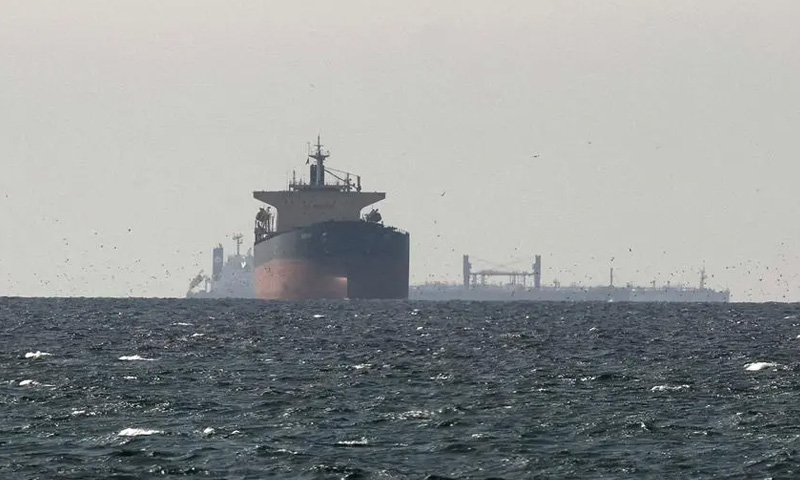
Meanwhile, a Qatari liquefied natural gas tanker was reported to be heading toward the Strait of Hormuz on its way to Pakistan.
According to shipping data and regional sources, Iran approved the transit as a goodwill gesture toward Qatar and Pakistan, both of which have been involved in mediation efforts.
If successful, it would be the first Qatari LNG shipment to pass through the strategic waterway since the conflict began.
The Strait of Hormuz remains one of the world’s most critical trade routes, previously carrying around 20% of global oil supplies.
Since the war erupted following US-Israeli strikes on Iran in late February, Tehran has heavily restricted foreign shipping through the area.
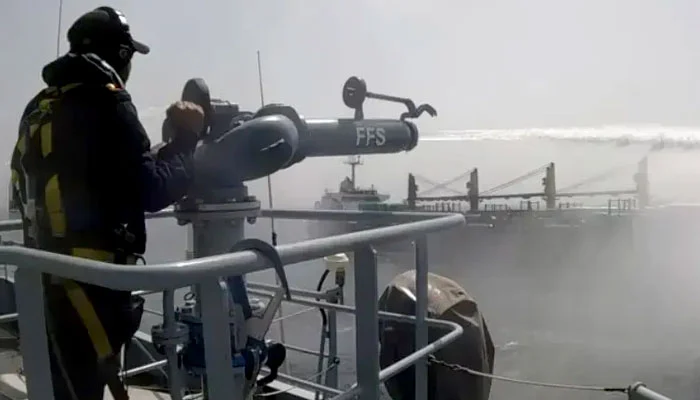
Although a ceasefire was announced in April, sporadic clashes have continued, including recent confrontations between Iranian and US naval forces.
The conflict has also spread beyond the strait.
Read More: Pedestrian killed after Frontier Airlines plane strikes person on Denver airport runway
The United Arab Emirates said it intercepted Iranian missiles and drones on Friday, leaving several people injured.
Iran has repeatedly targeted Gulf states hosting US military bases, particularly after Washington announced plans to escort commercial vessels through the waterway.
At the same time, the United States has intensified sanctions against Iranian-linked entities, including firms in China and Hong Kong accused of supporting Iran’s drone programme.
Despite ongoing diplomatic efforts, Washington has struggled to secure broad international backing for its actions, while European powers continue pushing for negotiations to avoid further escalation in the region.