

Global
Saudi Arabia deploys drones to support Hajj healthcare amid extreme heat
MAKKAH: Saudi authorities have increasingly turned to drone technology to support medical operations during Hajj as temperatures climbed to 45°C this week, helping clinics respond more quickly to heat-related illnesses among pilgrims.
With more than 1.5 million pilgrims gathered in and around Makkah, officials said unmanned aerial vehicles are being used to transport medicines and essential medical supplies to 127 clinics spread across Makkah, Mina and Arafat.
“The main goal is to provide fast service to the guests of God during the season,” said Fahd Al-Bathi, chief operating officer at the National Unified Procurement Company (Nupco).
Saudi officials said preparations for Hajj healthcare operations began nine months ago, with authorities focusing heavily on improving emergency response times in crowded areas.
Standing before a large operations map showing medical centres across the holy sites, Nupco operations officer Turki Al-Obaidi said the use of drones had significantly reduced delivery times.
“Our teams must ensure we reach patients as quickly as possible. This is a crucial factor with these extremely large crowds,” he said.
Before drones were introduced, medical deliveries often relied on road transport navigating congested routes packed with pilgrims, with some journeys taking more than an hour.
Authorities have now centralised operations through a major logistics centre where drones are loaded with medicines and dispatched directly to clinics in need.
“We are seeking to integrate new innovations through which we can ensure that medical supplies arrive safely, as quickly as possible, and with the highest quality,” Al-Bathi added.
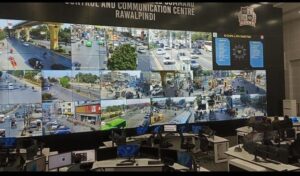
Inside the control room, staff monitor drone flights through large digital screens while field teams use electric scooters to move efficiently across operational areas.
Read More: Quad nations announce Fiji port project and new energy agreements
Saudi Arabia has increasingly adopted technology-driven systems to manage the annual pilgrimage, one of the world’s largest religious gatherings.
Artificial intelligence systems are also being used to analyse footage from thousands of surveillance cameras installed around Makkah to monitor crowd movement and improve safety.
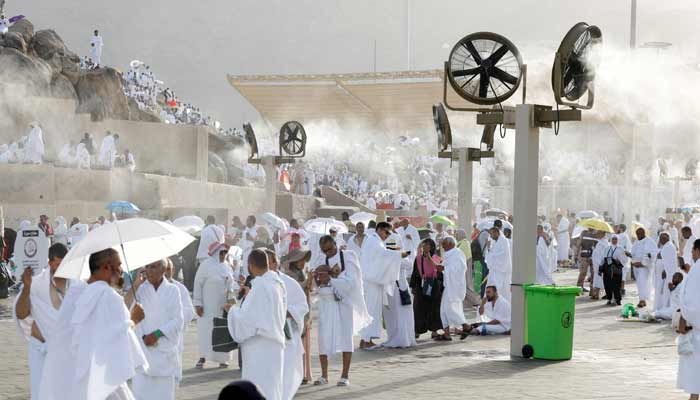
Authorities said these technological measures complement traditional heat-management systems already in place, including giant cooling fans, mist sprays and water distribution points.
Health officials warned that heat exhaustion remains one of the biggest medical challenges during Hajj due to the intense summer temperatures and the physical demands of the pilgrimage.