

Pakistan
KP appoints women to Dispute Resolution Councils for first time
ISLAMABAD: Khyber Pakhtunkhwa has appointed two women to its local Dispute Resolution Councils (DRCs), commonly known as jirgas, for the first time in the province’s history in a move aimed at promoting gender inclusion in the traditional justice system.
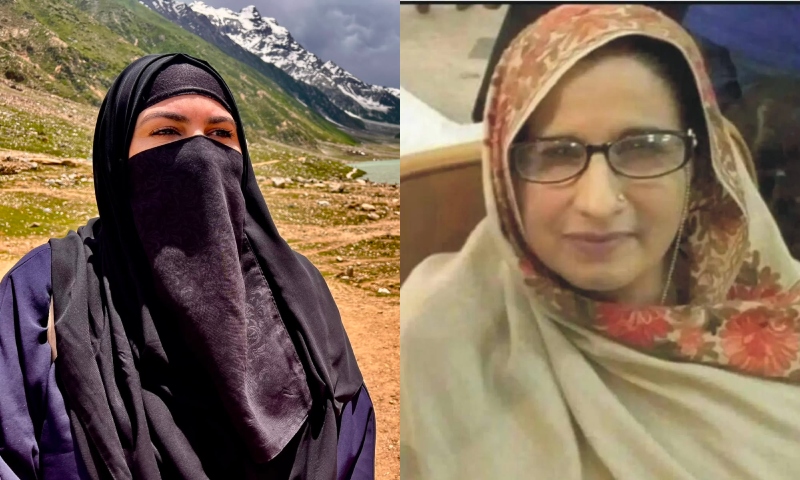
According to an official notification issued by the Regional Police Officer (RPO) Dera Ismail Khan region, social activist and journalist Razia Mehsood has been appointed as a member of the 17-member Dispute Resolution Council for South Waziristan Upper district.
Social activist Gulshan Bibi has also been inducted into the Dispute Resolution Council for Dera Ismail Khan district.
Traditionally, DRCs have been composed entirely of men, leaving many issues affecting women without adequate representation or consideration.
Officials from the district administration and law enforcement agencies said the appointments were intended to strengthen justice, transparency and equality in the region while ensuring more inclusive dispute resolution mechanisms.
Read More: Lahore deploys AI-powered drones to tackle traffic congestion and smog
According to the notification, Razia Mehsood’s appointment was made on the recommendation of South Waziristan Upper District Police Officer Arshad Khan, while Gulshan Bibi’s induction into the Dera Ismail Khan council was approved by the RPO office.
Speaking after her appointment, Razia Mehsood said she was committed to serving the people of the region and addressing the concerns of marginalised communities.
“I am a daughter of Waziristan, meaning I am familiar with our tribal customs and traditions and I understand the hardships faced by the women of this region,” she said.
“Ensuring the provision of justice to marginalized communities, including women, and safeguarding their human rights has been the mission of my life. I will continue to work toward this cause.”
The appointments have been welcomed by tribal elders, civil society organisations and community leaders, who described the move as an important step towards increasing women’s participation in local decision-making.
Social leaders said the inclusion of female members in the councils would provide women with a platform to raise domestic and social issues while strengthening their confidence and representation in community leadership.