

Pakistan
Opposition rejects federal budget, terms it burden on masses and economic failure
ISLAMABAD: Opposition leaders on Sunday strongly rejected the federal budget, accusing the government of ignoring economic realities, increasing the tax burden on citizens and failing to address rising poverty across the country.
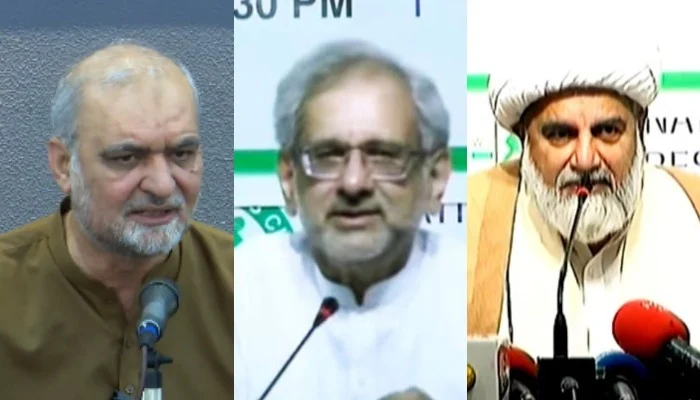
Speaking at a budget seminar in Islamabad, Senate Opposition Leader Allama Raja Nasir Abbas said the government was “deceiving itself” with unrealistic claims about poverty levels, questioning the official benchmark that suggested a person earning Rs280 per day was not below the poverty line.
He said the ruling setup was unwilling to acknowledge ground realities, adding that the public was being “crushed under the weight of poverty” as food prices continued to rise sharply.
Comparing the national economy to a household budget, Abbas said when expenses exceed income, debt becomes unavoidable and assets eventually get sold. He claimed Pakistan’s expenditures were higher than its income and alleged that no serious steps had been taken to reduce spending or improve revenue.
He also warned that elections held under the current system could produce “the worst results” for the country.
Tehreek-e-Tahafuz-e-Ayeen-e-Pakistan leader Mustafa Nawaz Khokhar said rising poverty reflected the failure of economic policies, adding that economic growth could only be measured through improvement in people’s living standards.
He said taxation without proper public services was ineffective, stressing that citizens must receive basic facilities in return for taxes. Khokhar added that the budget could not succeed without addressing public grievances and reducing poverty.
PTI leader Salman Akram Raja described the budget as an “economic emergency,” saying Pakistan’s economy was trapped in debt and increasing loan dependency. He said claims of development were disconnected from reality and warned that rising debt posed a serious threat to future stability.
He added that the country was struggling with interest payments and said running the system on borrowing was not sustainable. Raja also stressed the need for increased investment in health and education, calling for structural reforms to address the crisis.
Former prime minister Shahid Khaqan Abbasi said the country had witnessed its worst economic conditions in recent years, claiming that government spending had outpaced development expenditure. He said debt servicing and pensions had become major fiscal burdens and criticised reliance on additional loans to meet expenses.
Read More: PPP chairman urges peaceful resolution as unrest in AJK escalates
He said relief claims in the budget were far from reality, adding that ordinary citizens were bearing the brunt of indirect taxation. Abbasi also called for reforms, saying investment required political stability, rule of law and policy continuity.
Jamaat-e-Islami Emir Hafiz Naeemur Rehman termed the tax system “cruel,” alleging that the common man was paying excessive taxes while receiving no relief. He called for the abolition of petroleum levy and criticized capacity payments to independent power producers.
He said the budget consisted of “changing numbers” without real relief for the public, adding that rising utility and fuel costs were directly affecting citizens.