

Pakistan
Pakistan moves to boost women empowerment through budget measures: PM Shehbaz Sharif
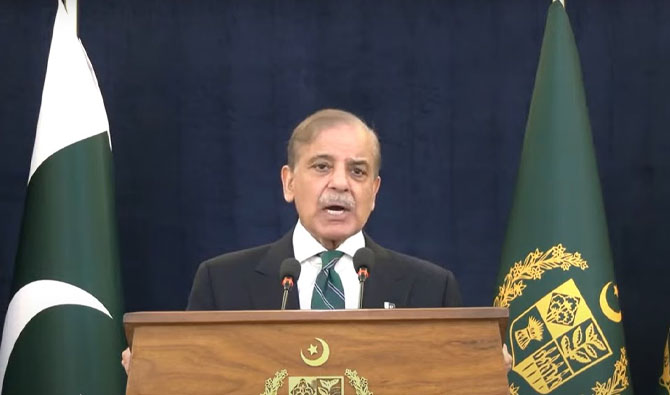
Prime Minister Shehbaz Sharif on Wednesday reaffirmed his government’s commitment to women’s empowerment, saying that measures aimed at improving opportunities for women in education and economic development have been incorporated into the federal budget.
The remarks came during a meeting with women parliamentarians of the ruling Pakistan Muslim League-Nawaz, who discussed budget proposals and raised issues related to their constituencies.
The prime minister thanked the lawmakers for their active participation in the budget session and appreciated the government’s economic team for including initiatives focused on ensuring equal opportunities for women across different sectors.
He said integrating women into the national development process remained a key priority and stressed that sustainable progress could not be achieved without their full participation in education, employment and economic activities.
The women parliamentarians also presented recommendations regarding development schemes and public welfare projects in their respective constituencies.
Read More: Messi scores hat-trick as Argentina open World Cup campaign with 3-0 win over Algeria
During the meeting, Shehbaz Sharif also referred to regional developments and said that tensions in the region had eased, adding that diplomatic efforts were contributing positively to stability.
He expressed gratitude to friendly countries for supporting peace initiatives and acknowledged the roles of Ishaq Dar, Interior Minister Mohsin Naqvi, and Chief of Defence Forces Asim Munir in advancing diplomatic engagement.
The prime minister said lasting peace in the region was essential for economic progress and underlined that the benefits of stability would eventually reach the public through improved economic conditions.
He added that the government had attempted to provide maximum relief to citizens through the budget and had worked to shield people from the impact of global inflation, while also highlighting austerity measures adopted by state institutions during recent economic challenges.